
PointClickCare Advisor Suite vs. Admissions Flow: Which Is Better For Your Facility’s Intake?
June 26, 2026
The Flowtrics Client Onboarding Journey: From Welcome Email to Go-Live in 4 Weeks
July 16, 2026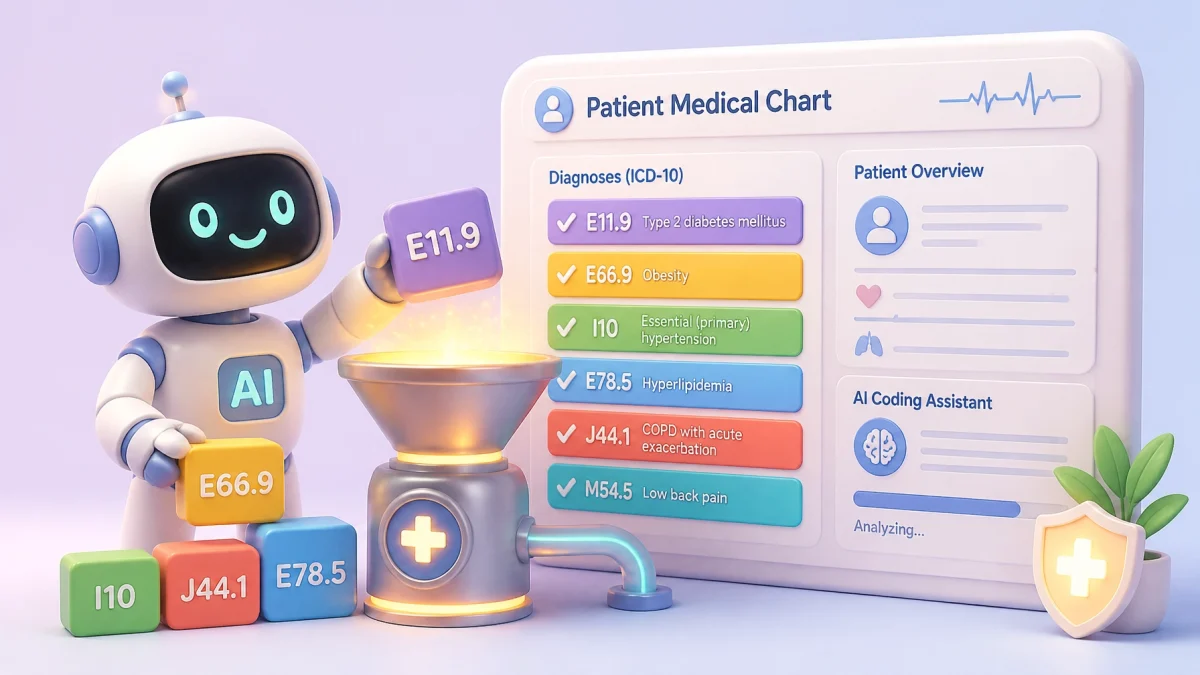
In the high-stakes world of skilled nursing, precision isn't just a goal: it’s the lifeblood of your facility's financial health. As we charge into July 2026, the landscape of the Patient Driven Payment Model (PDPM) has shifted dramatically. CMS has raised the bar, and if your team is still relying on manual workflows and outdated spreadsheets, you are leaving thousands: if not millions: of dollars on the table.
The FY 2026 PDPM ICD-10 mapping changes are not just administrative tweaks; they are a fundamental restructuring of how your residents are classified and how you are reimbursed. With 34 significant mapping changes and a wave of codes moving to Return to Provider (RTP) status, the margin for error has vanished.
Are you ready to stop the revenue leakage and embrace a limitless future of automated accuracy? Let’s dive into the seven most expensive mistakes facilities are making right now and how AdmissionsFlow: the industry’s ultimate solution: is fixing them forever.
1. The "Return to Provider" (RTP) Trap: Using Deniable Primary Diagnoses
The most glaring mistake in 2026 is the continued use of remapped codes as primary diagnoses. CMS has moved 33 critical codes, including "Diabetes without complications" (E11.9) and "Obesity" (E66.9), to RTP status.
When you list an RTP code as the primary reason for a SNF stay, you aren't just making a mistake; you are inviting a claim denial. These codes are now deemed too non-specific to drive a PDPM clinical category.
- The Problem: Your MDS coordinator manually selects a familiar code, unaware it’s now an RTP trigger.
- The Solution: AdmissionsFlow’s AI-powered assessment identifies these triggers during the referral phase. Our system flags non-compliant codes instantly, suggesting specific, clinically defensible alternatives that ensure your clinical category assignment is seamless and audit-proof.
2. Stagnant Mapping Tables: The Hidden Cost of "Old Data"
Is your EMR still operating on 2025 logic? Many facilities fail to verify that their internal mapping tables have been updated to the FY 2026 standards. If your software isn't updated, your HIPPS codes will be wrong, and your reimbursement will be suppressed.

At AdmissionsFlow, we don't wait for "updates." Our platform utilizes real-time validation and natural-language processing to stay ahead of CMS. We ensure that every diagnosis captured during intake aligns perfectly with the latest 2026 workbooks.
3. The Secondary Diagnosis Disconnect: Leaving NTA Points Behind
Here is a million-dollar secret: Just because a code is RTP for a primary diagnosis doesn’t mean it’s useless. Codes like obesity or specific nutritional disorders can still drive massive value in the Non-Therapy Ancillary (NTA) component: but only if they are captured as secondary diagnoses.
Many teams mistakenly drop these codes entirely once they see an RTP flag. This is a catastrophic error that slashes your NTA comorbidity score. AdmissionsFlow’s NTA optimization engine does the heavy lifting for you, scanning thousands of pages of hospital records to ensure every single NTA-eligible comorbidity is identified and properly mapped.
4. Vague Coding vs. Clinical Specificity
In 2026, specificity is the only currency CMS accepts. Using "unspecified" ICD-10 codes is the fastest way to lose NTA points. For example, a vague "heart failure" code might map to zero NTA points, while a specific "acute on chronic systolic heart failure" code could significantly boost your per-diem rate.
- The Human Error: Nurses are busy. They pick the first code that looks "close enough."
- The AI Revolution: AdmissionsFlow delivers 99% accuracy in document processing. Our AI analyzes physician notes to extract the highest level of specificity, ensuring you are reimbursed for the actual complexity of the care you provide.

5. Manual Data Entry Bottlenecks and Transcription Errors
The transition from referral to PointClickCare (PCC) is where most mapping errors are born. Manually typing ICD-10 codes from a hospital discharge summary into your EMR is a recipe for disaster. One mistyped digit can change a high-reimbursement code into a "Return to Provider" nightmare.
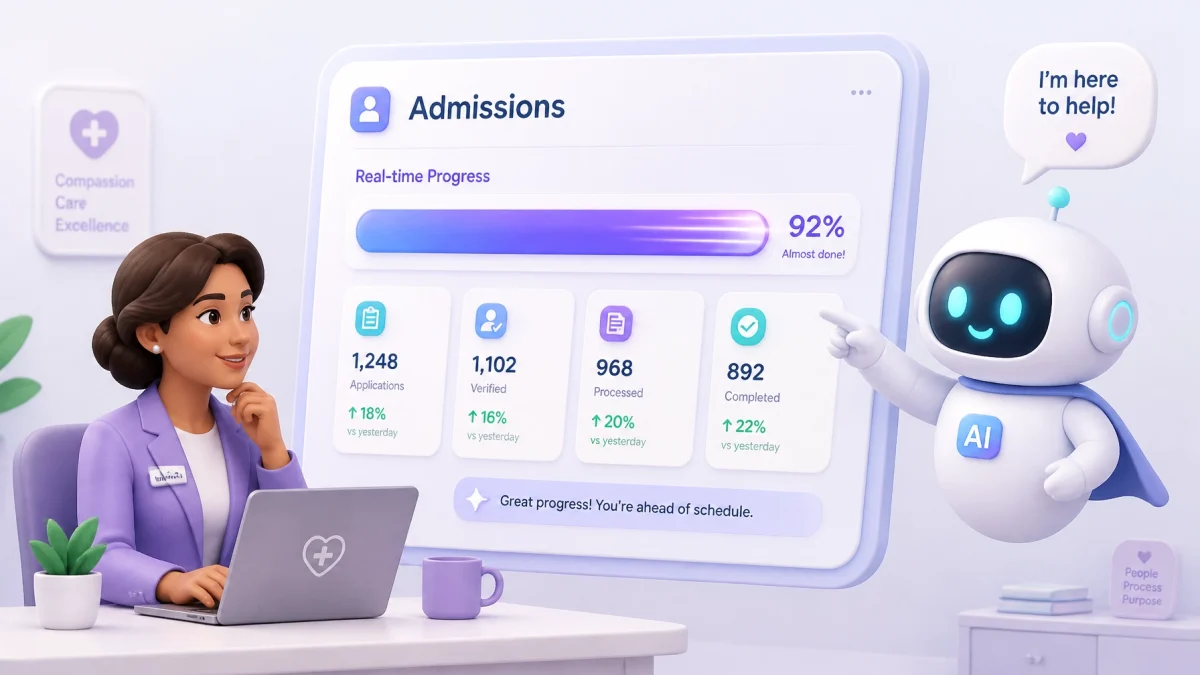
AdmissionsFlow provides a seamless PointClickCare integration that eliminates this risk. We automate the extraction and population of medications, diagnoses, and allergies, reducing manual data entry by over 90%. Your team can focus on the resident while the software handles the technical precision.
6. Ignoring the "Acute Neurologic" Shift
A subtle but vital change in 2026 is the reclassification of specific codes from the "Acute Neurologic" clinical category to "Medical Management." If your clinical team is still coding residents based on the old category logic, your therapy staffing and resource allocation will be misaligned with your actual reimbursement.
AdmissionsFlow’s automated workflow provides a detailed analysis and reasoning for every clinical category assignment. We show you the "why" behind the mapping, empowering your MDS nurses to make confident, data-driven decisions.

7. Post-Admission Audit Amnesia
Mapping doesn't end at the 5-day MDS. Many facilities fail to re-review diagnoses when new clinical information emerges during the stay. If a resident’s condition stabilizes or a new comorbidity is identified, and the ICD-10 mapping isn't updated, you risk F641 "Accuracy of Assessments" citations.
AdmissionsFlow maintains a centralized, revolutionary repository for all admissions-related paperwork. Our platform tracks compliance and tasks in real-time, ensuring that your coding remains accurate from day one through discharge.
The AdmissionsFlow Difference: Focus on Care, Not Paperwork
The complexities of the 2026 PDPM mappings are daunting, but they don't have to be. AdmissionsFlow is the industry-best partner for skilled nursing facilities that want to thrive in this new era. By automating the most tedious and error-prone parts of the admissions process, we give your team back their most valuable asset: time.
Imagine a world where:
- Your NTA identification is optimized for maximum revenue.
- Your medication transcriptions are 99% accurate.
- Your EMR sync is instant and effortless.
- Your staff is happy, focused, and free from "paperwork fatigue."
This isn't a dream: it's the reality for facilities using AdmissionsFlow.

Frequently Asked Questions
Can AdmissionsFlow really handle 2026 ICD-10 mapping changes automatically?
Absolutely. Our AI is trained on the latest CMS mapping workbooks. It identifies RTP codes and suggests compliant alternatives in real-time during the intake process.
How much time can we save on manual data entry?
Remarkable improvements are standard. Most facilities see a 90% reduction in manual entry, as AdmissionsFlow automatically populates diagnosis and medication fields directly into PointClickCare.
Does this help with NTA optimization?
Yes. We are the ultimate solution for NTA identification. Our AI digs deeper into hospital records than any manual process ever could, uncovering comorbidities that would otherwise be missed.
Is the platform HIPAA compliant?
Completely. We maintain the highest standards of security and compliance, ensuring your resident data is protected while your workflow is optimized.
Ready to revolutionize your admissions process? Contact AdmissionsFlow today and see how we can transform your 2026 PDPM strategy from a headache into a high-performance revenue engine.